The Reality of Clinical Pilates: It Is More Than Just Stretching
A common misconception in the wellness space is that all movement classes are simply variations of gentle stretching. At Fox Sport and Spine, we often meet patients in Cochrane who are surprised by the physical demands and targeted strengthening involved in therapeutic exercise. If you are seeking a way to recover from an injury, relying on passive stretching alone will rarely provide the structural support your body needs.
The true value of this clinical approach lies in its ability to rebuild motor control and deeply stabilize vulnerable joints. While improved flexibility is a wonderful byproduct, the primary goal is functional strength. Understanding the reality of this treatment ensures you approach your sessions with the right expectations and a readiness to work hard.
In This Article:
- The Flexibility Overestimation
- Rebuilding Neuromuscular Control
- Realistic Timelines for Structural Change
- Frequently Asked Questions
- Committing to Meaningful Movement
The Flexibility Overestimation
Many new patients arrive expecting to lie on a mat and have a practitioner guide them through a series of deep, relaxing stretches. This is a massive overestimation of the role flexibility plays in pain relief. In reality, hypermobility without strength is a leading cause of joint pain. Your body needs muscles that can forcefully stabilize your skeleton against gravity.
If your lower back or hips feel constantly tight, it is usually because those muscles are overworked trying to hold an unstable joint together. Stretching them removes that protective tension. Therapeutic exercise identifies the weak links in your movement chain and loads them with targeted resistance to build genuine support.
→ A quick tip to remember: Tight muscles often need strength training, not stretching, to finally relax.
Rebuilding Neuromuscular Control
Injury recovery is largely a neurological process. When you experience pain, your brain alters your movement patterns to avoid aggravating the area. Even after the tissue heals, these altered patterns remain, leaving you prone to future injuries. Correcting this requires deep concentration and precise movement execution.
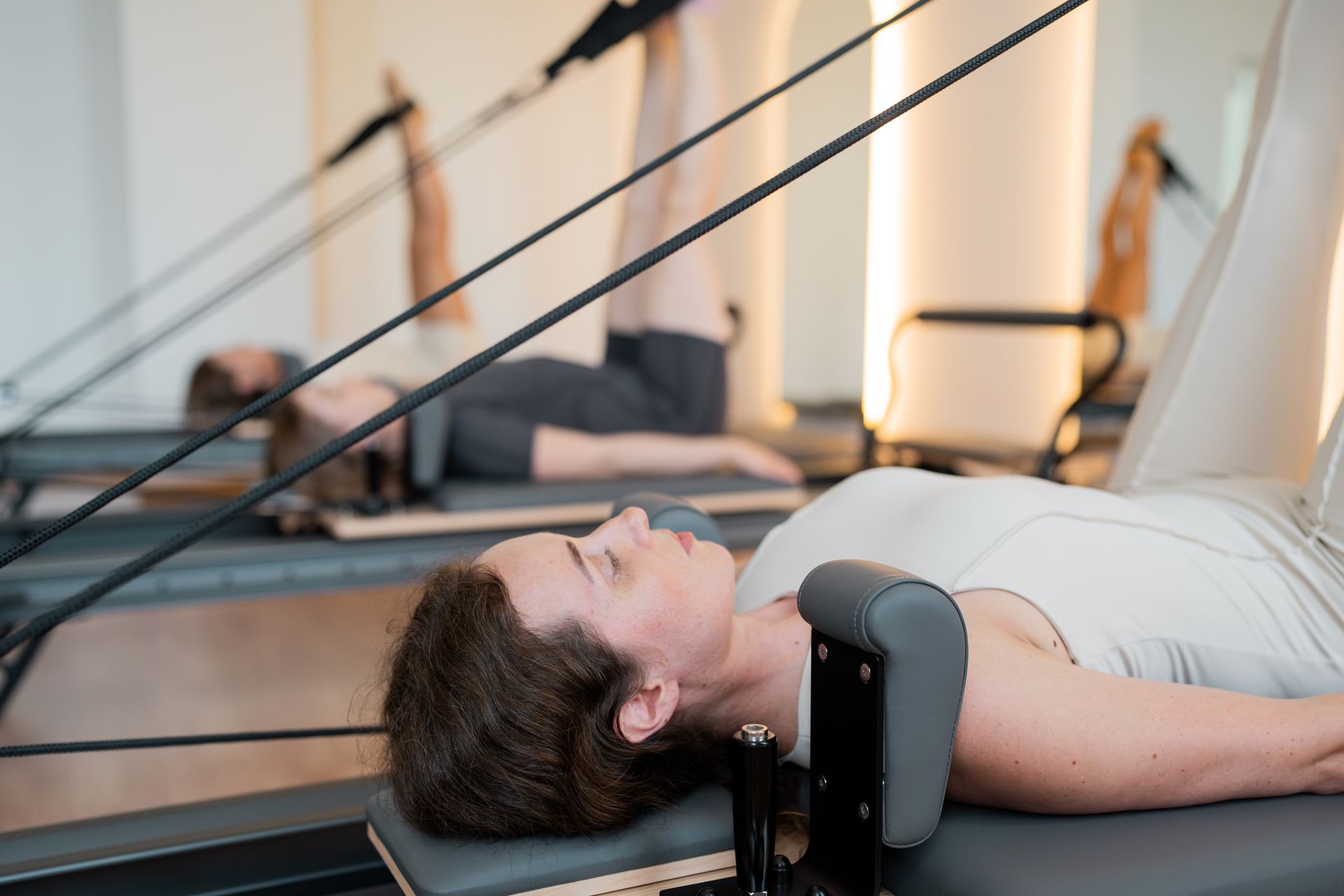
During a session, you are constantly receiving feedback from the specialized equipment and your practitioner. You have to think about which muscles are firing and which are compensating. This intense mental focus rewires the connection between your brain and your muscles, restoring healthy, efficient movement mechanics.
→ From a professional standpoint: The mental effort required to correct a movement pattern is often more exhausting than the physical exertion.
Realistic Timelines for Structural Change
Building muscle and changing neurological habits takes time and consistency. You might feel a sense of relief and better posture after a single session, but permanent structural change is a longer journey. It takes several weeks for your nervous system to fully adopt a new movement pattern and even longer for muscle fibers to grow denser and stronger.
Patients who commit to regular sessions and diligently practice their home exercises see the most profound results. Expect to treat the first month as a learning phase where your body figures out how to move correctly. The subsequent months are where the true strength and resilience are built.
Frequently Asked Questions
Will Clinical Pilates build muscle?
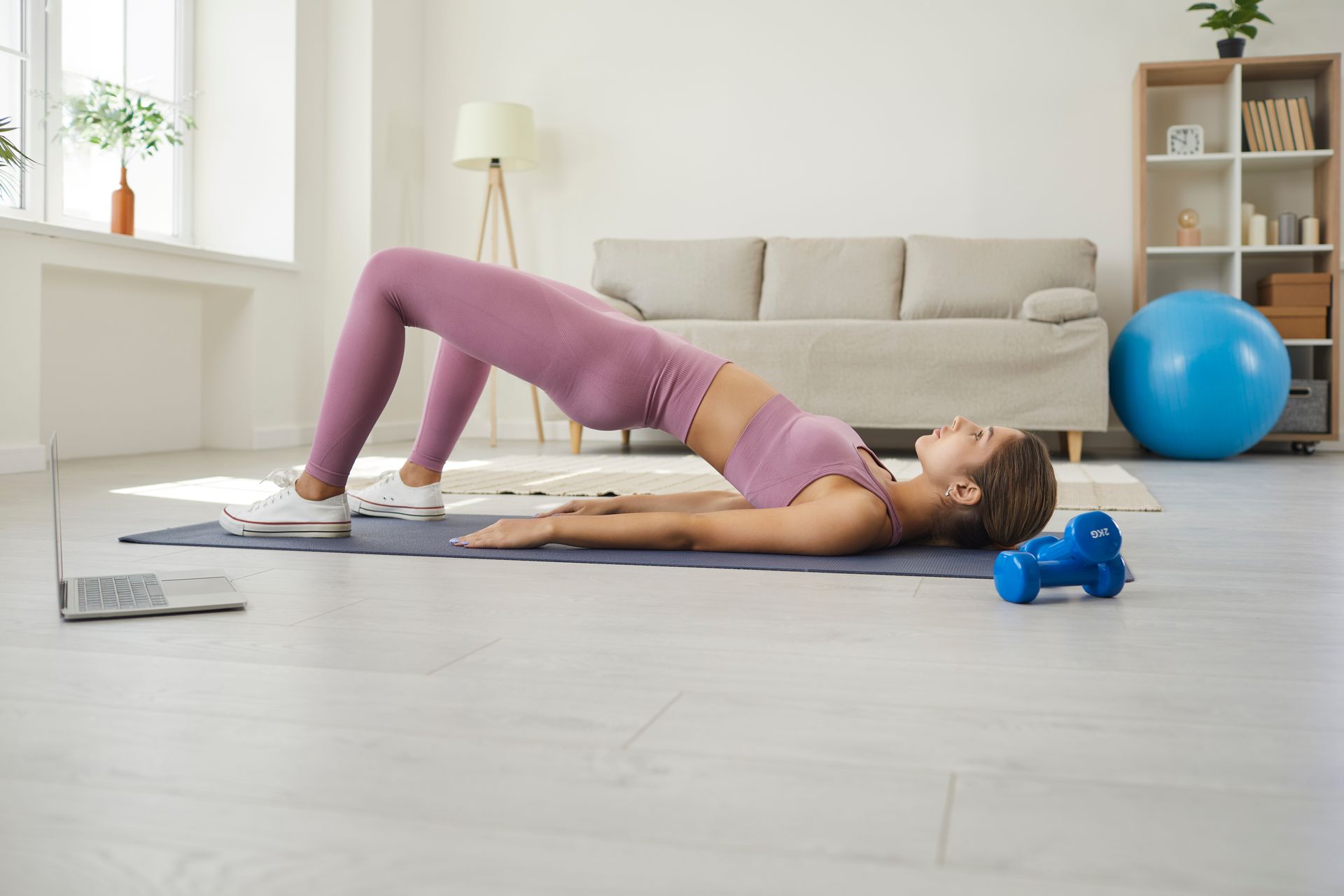
Yes, it actively builds muscle by utilizing spring loaded resistance and your own body weight. The focus is on the deep postural muscles of the core, hips, and shoulders that are often neglected in traditional weightlifting. While it may not result in massive visible muscle bulk, it creates dense, highly functional muscle tissue that supports your joints.
Is Pilates considered strength training?
Absolutely. Any movement that requires your muscles to overcome an external resistance qualifies as strength training. The specialized equipment provides progressive overload, which is the foundational principle of building strength. Your practitioner will continually adjust the resistance to ensure your muscles are constantly challenged as you improve.
How long does it take to see results from Pilates?
Most patients notice improved body awareness and a reduction in daily stiffness within the first four to six sessions. Objective increases in core strength and joint stability typically become apparent between the eight and twelve week mark. Long term resolution of chronic pain patterns requires sustained consistency over several months.
Committing to Meaningful Movement
True rehabilitation requires active participation and a willingness to challenge your body in new ways. Embracing the strength building reality of therapeutic exercise is the fastest route to living without physical limitations. Contact our clinic to schedule an initial assessment and discover how targeted movement can change your daily life.
Share This Blog