Hiking Knee Pain in Cochrane: A Targeted Physiotherapy Solution
It is incredibly frustrating to reach the peak of a beautiful local trail only to dread the walk back down. At Fox Sport and Spine, we see many active residents struggle with hiking knee pain as the summer season progresses. Whether you are navigating the steep slopes of Big Hill Springs Provincial Park or exploring the rolling terrain at Glenbow Ranch, lingering joint discomfort can quickly take the joy out of your weekend plans.
The instinct is often to push through the ache or rely on temporary supports to finish the trek. However, treating the symptom without understanding the mechanical cause usually leads to a shorter hiking season. By focusing on targeted physiotherapy and functional fitness, you can address the root of the issue and build the strength required to handle downhill descents with confidence.
In This Article:
- The Mechanics of Downhill Load
- Identifying the Root Cause of Your Discomfort
- Why do my knees hurt when hiking downhill?
- Why DIY Stretching Often Makes the Problem Worse
- A Clinical Approach to Lasting Relief
- Getting Back on the Trail
The Mechanics of Downhill Load
Walking downhill shifts a massive amount of force onto the structures of your lower body. Every step you take on a descent requires your muscles to act as brakes, absorbing shock to protect the joint. When your neuromuscular control is not optimized, that shock bypasses the muscle and travels directly into the tendons and cartilage.
Over the course of a long trail, this repetitive impact adds up rapidly. A slight imbalance in how your hip or ankle absorbs force will eventually manifest as irritation around the kneecap. Correcting this requires looking at the entire lower limb rather than just the area where it hurts.
→ A quick tip to remember: Your hip and ankle mechanics dictate how much stress your knee actually absorbs on a hike.
Identifying the Root Cause of Your Discomfort
Knee discomfort rarely originates in the knee itself. It is usually caught in the middle of poor movement patterns above and below the joint. If your glutes are not engaging properly to stabilize your pelvis, your thigh muscles end up doing double duty. This constant overworking pulls unevenly on the patella, creating friction and inflammation.
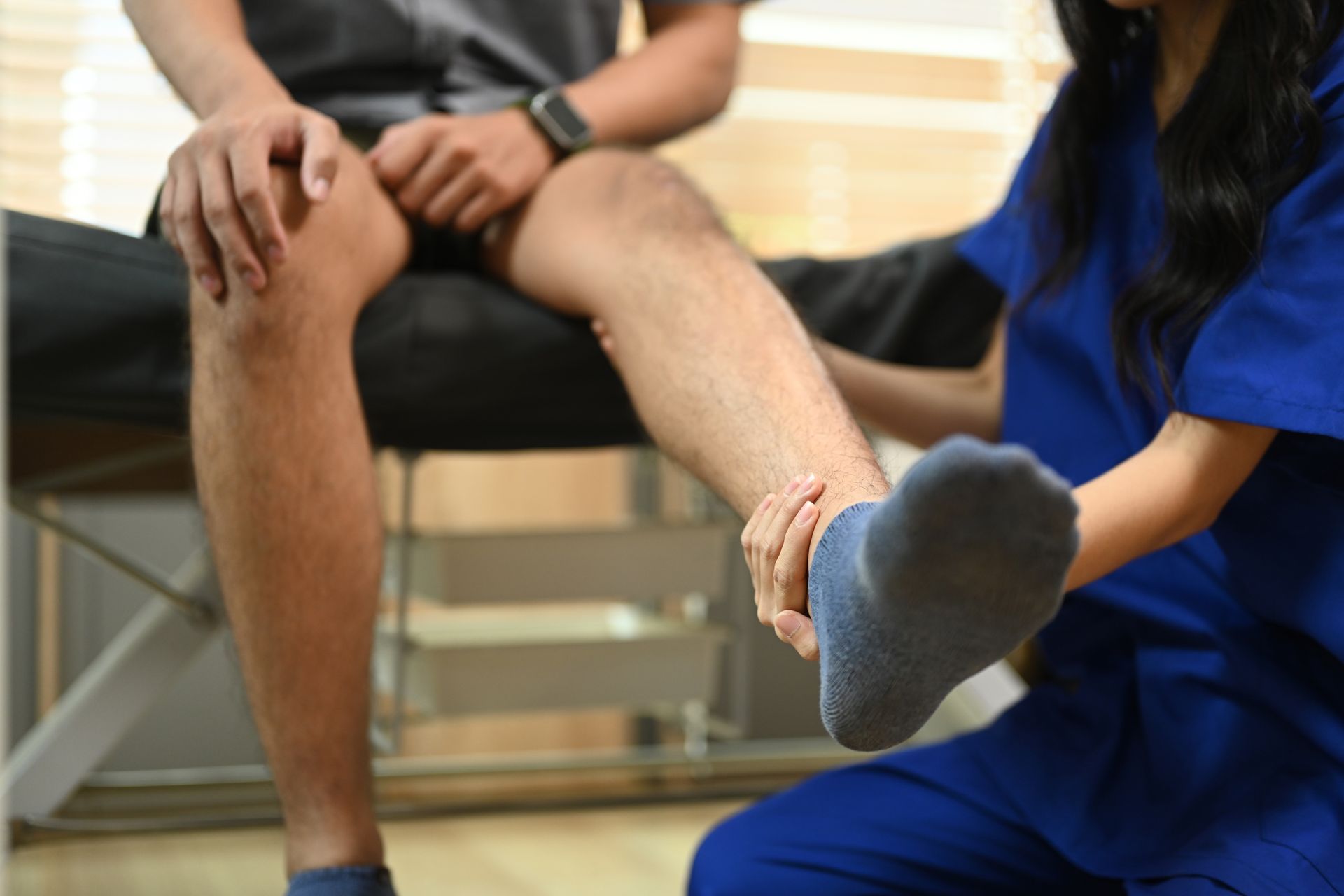
A proper clinical assessment evaluates your gait, your single leg stability, and your pelvic control. We look at how your body manages gravity and momentum during functional movements. This detailed evaluation allows us to pinpoint exactly which muscles need strengthening and which joints lack mobility.
Why do my knees hurt when hiking downhill?
Downhill hiking forces your quadriceps into an eccentric contraction, meaning the muscle is lengthening while under tension. If your thigh muscles are fatigued or your core stability is lacking, the tendon connecting your kneecap to your shinbone takes on excessive strain. This repetitive eccentric loading is the primary culprit for the sharp ache you feel at the front of the joint during a descent.
Why DIY Stretching Often Makes the Problem Worse
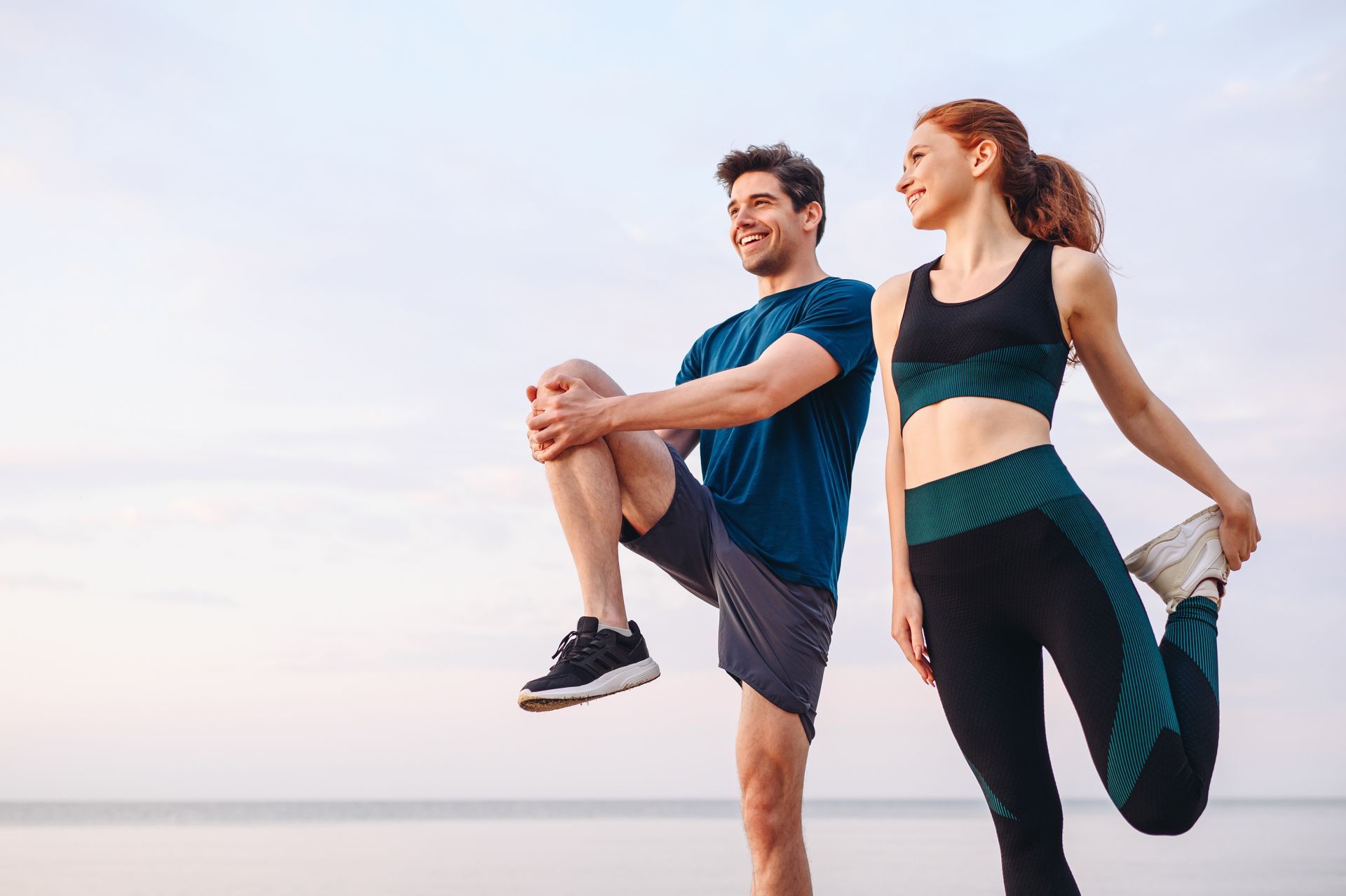
When a joint feels tight and achy, the most common response is to stretch the surrounding muscles aggressively. Many hikers spend time pulling on their quadriceps or hamstrings before hitting the trail, hoping to loosen things up. Unfortunately, if a muscle is already irritated and overworked from trying to stabilize a weak joint, stretching it can actually trigger more guarding and pain.
Stretching a strained tendon does not build the capacity required to handle the force of a mountain descent. In many cases, it creates micro tears in tissue that is desperately trying to heal. What the tissue actually needs is progressive loading to build resilience, not passive pulling.
→ From a professional standpoint: Muscles often feel tight because they are protecting a vulnerability, and stretching them removes that protective tension without solving the weakness.
A Clinical Approach to Lasting Relief
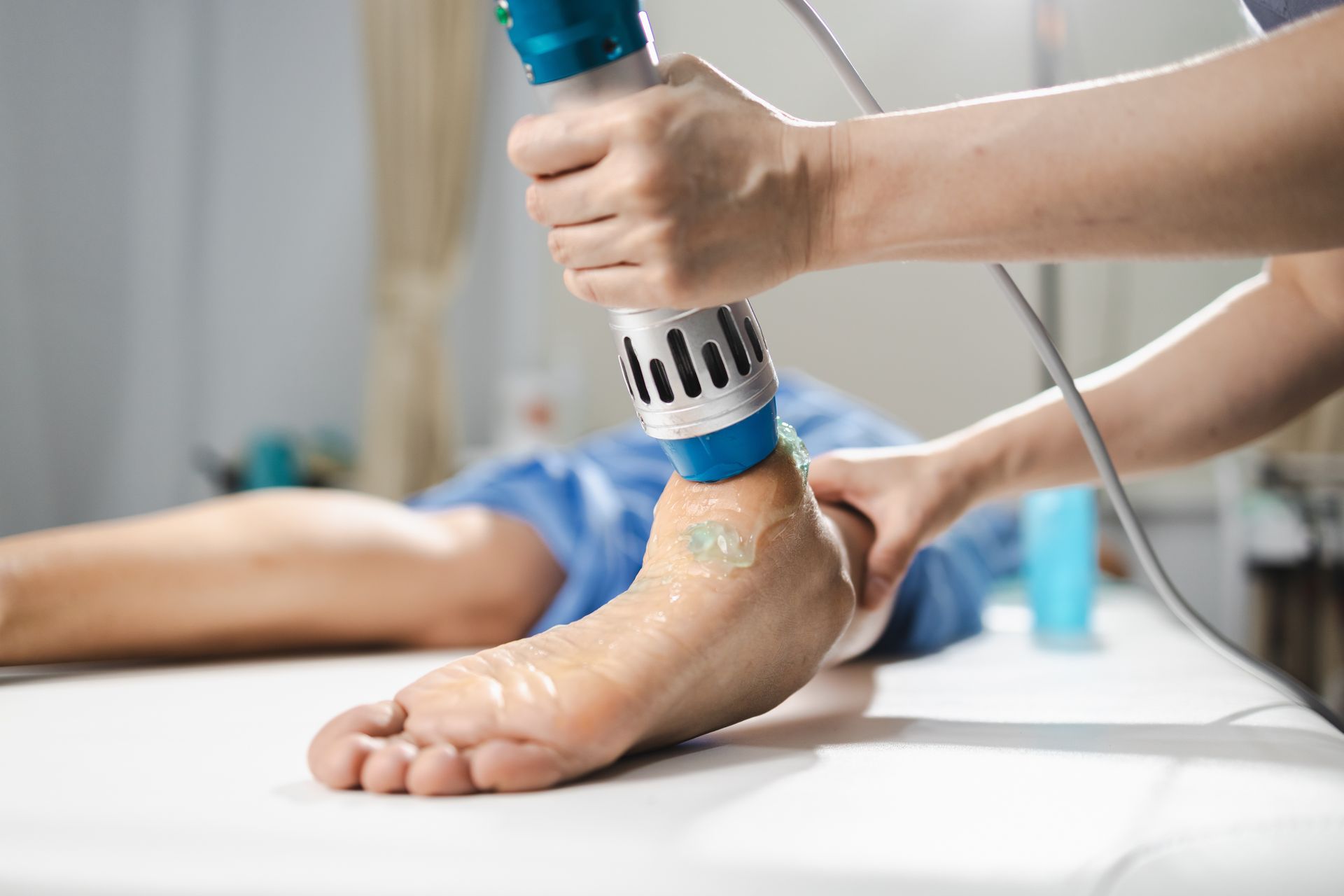
Resolving this specific type of pain requires a combination of clinical insight and active rehabilitation. Our physiotherapy approach blends precise manual therapy to calm irritated tissues with specific strengthening exercises to rebuild your braking capacity. We focus heavily on eccentric muscle control so your body learns to absorb shock safely.
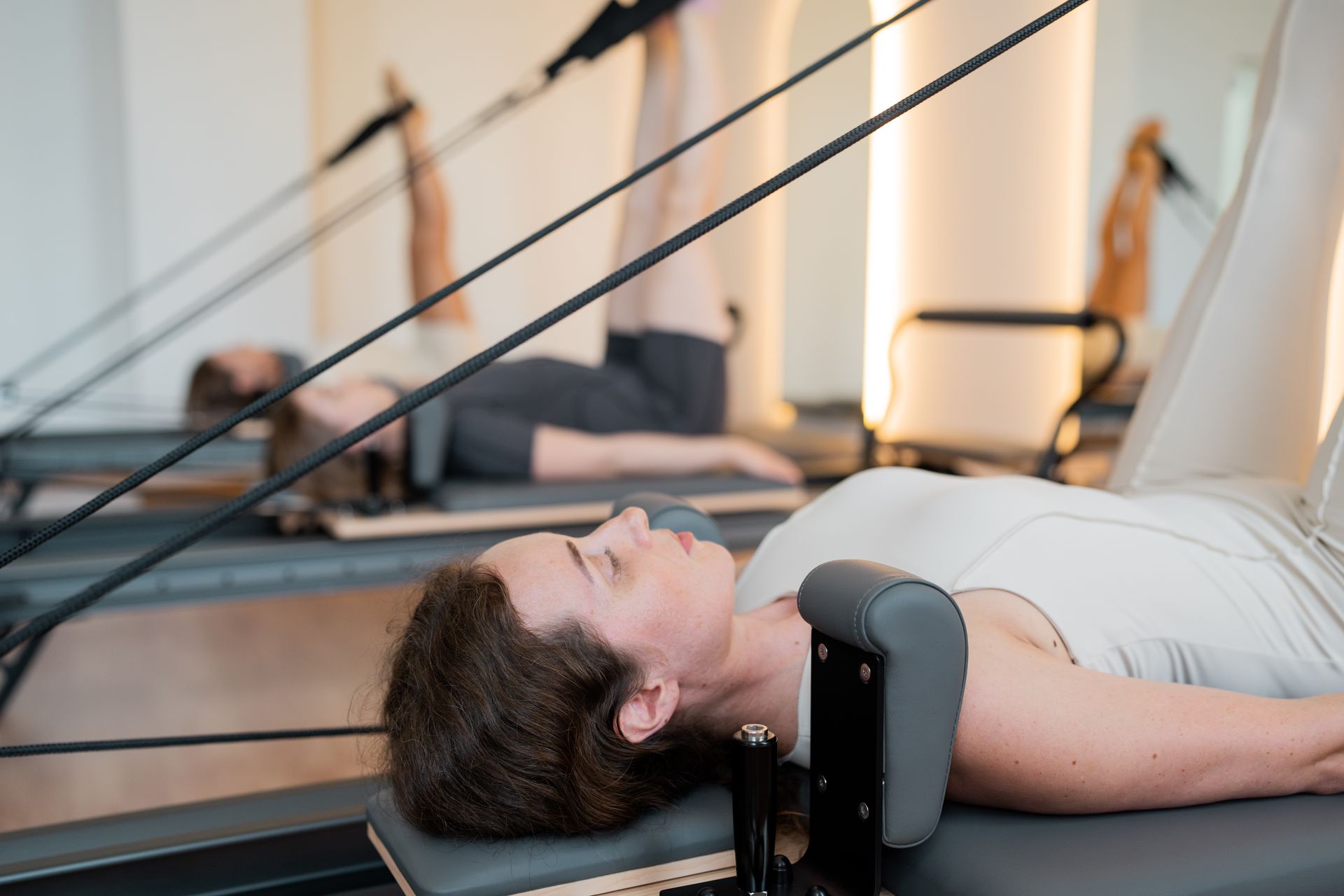
Depending on your specific presentation, we might also integrate Clinical Pilates to improve your deep core and pelvic stability. Building a strong foundation in your torso translates directly to better leg alignment when navigating uneven terrain. The goal is to send you back onto the Cochrane trails stronger and more resilient than before.
Getting Back on the Trail
Reclaiming your weekend hikes starts with understanding exactly what your body needs to succeed. Addressing hiking knee pain with a personalized plan ensures you spend less time recovering on the couch and more time enjoying the outdoors. Reach out to our clinic today to schedule your assessment and start building a stronger foundation for your next adventure.
Share This Blog