Resolving Chronic Lower Back Pain Through Core and Pelvic Stability
Dealing with an aching lower back makes simple activities like walking the beautiful pathways at Cochrane Ranche feel like an exhausting chore. Many patients visit Fox Sport and Spine after months of generic stretching routines that provided no lasting relief. When your lower back constantly feels tight and vulnerable, the instinct is to target the spine directly.
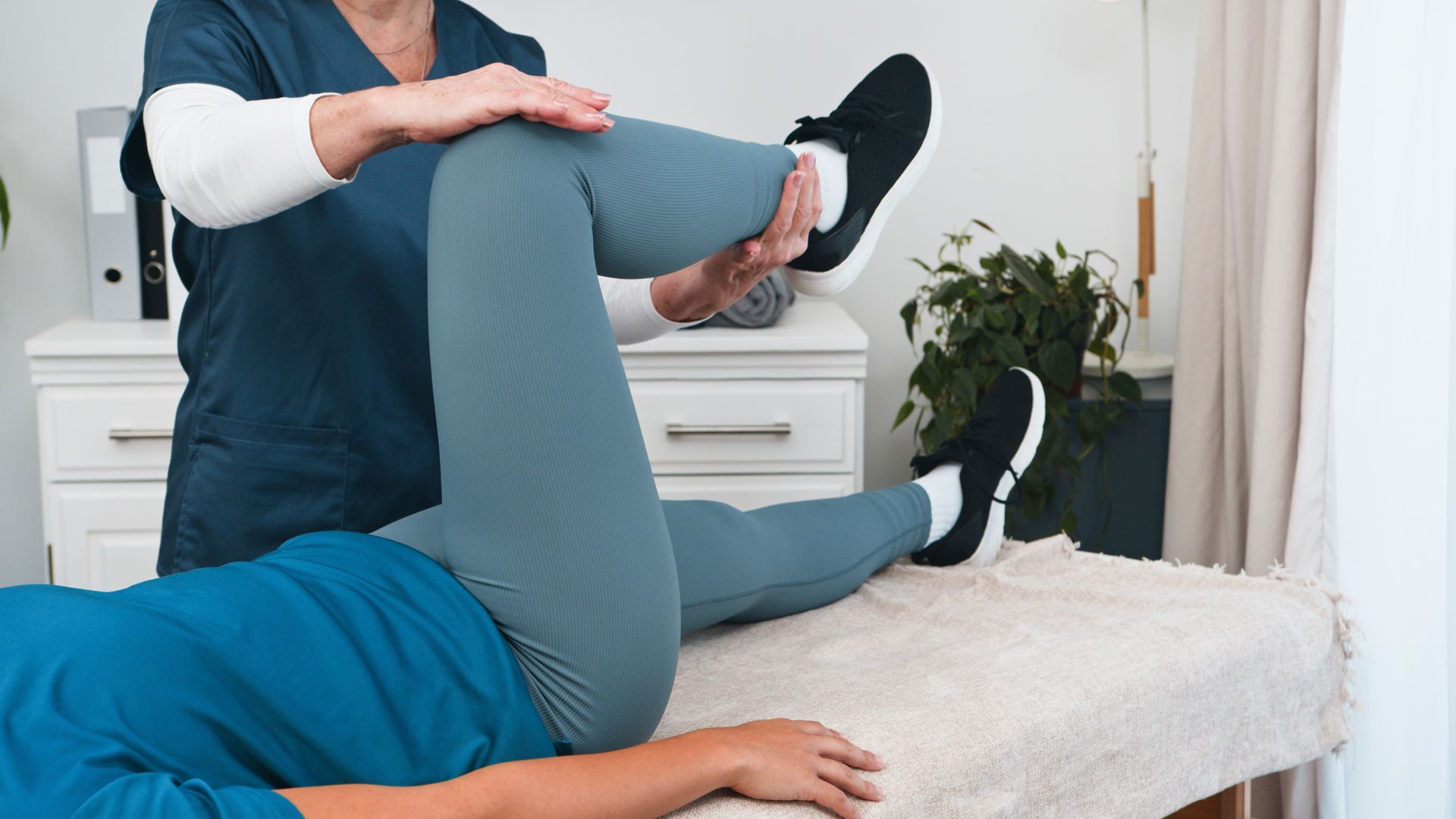
The reality is that the spine is often just the victim of poor pelvic control. Your pelvis acts as the structural foundation for your entire upper body. When the deep muscles surrounding it fail to do their job, the lower back is forced to take on forces it was never designed to handle. Implementing targeted pelvic stability exercises is a powerful way to eliminate the root cause of your daily discomfort.
In This Article:
- The Hidden Role of the Pelvis in Back Pain
- How do I know if my pelvic floor is weak?
- Why DIY Stretching Often Makes It Worse
- The Science Behind Clinical Pilates for Back Pain
- Moving Forward With Confidence
The Hidden Role of the Pelvis in Back Pain
Think of your pelvis as the heavy base of a construction crane. If that base is shifting or tilting unpredictably, the tower above it will wobble and strain under pressure. The muscles of your lower back are meant to facilitate movement, not anchor your skeleton against gravity all day long.
When your deep core and pelvic stabilizers become dormant, your nervous system panics. It commands the large, superficial muscles of your lower back to lock down and act as emergency stabilizers. This constant state of muscular guarding is what creates the sensation of extreme tightness and fatigue by the end of the day.
→ A quick tip to remember: Lower back tightness is rarely a flexibility problem, it is almost always a stability problem.
How do I know if my pelvic floor is weak?
A weak pelvic floor often presents as a lack of deep internal support during physical exertion. You might notice a sensation of heaviness in your lower pelvis, difficulty controlling your bladder when coughing or jumping, or a persistent dull ache in your extreme lower back. In many cases, patients also struggle to balance on one leg because the pelvic muscles cannot stabilize the hip joint effectively.
Why DIY Stretching Often Makes It Worse
When your lower back feels locked up, stretching seems like the most logical solution. You might spend time touching your toes or twisting your spine, hoping to release the tension. Unfortunately, if those back muscles are guarding because your pelvis is unstable, stretching them aggressively removes your body's only line of defense.
This is why you might feel better for ten minutes after a stretch, only to have the pain return with double the intensity later that afternoon. Your body senses the instability and clenches those muscles even harder to protect your spine. To achieve lasting relief, you must give your nervous system a reason to let go by providing true structural support from below.
→ From a professional standpoint: You cannot stretch your way out of a weakness issue.
The Science Behind Clinical Pilates for Back Pain
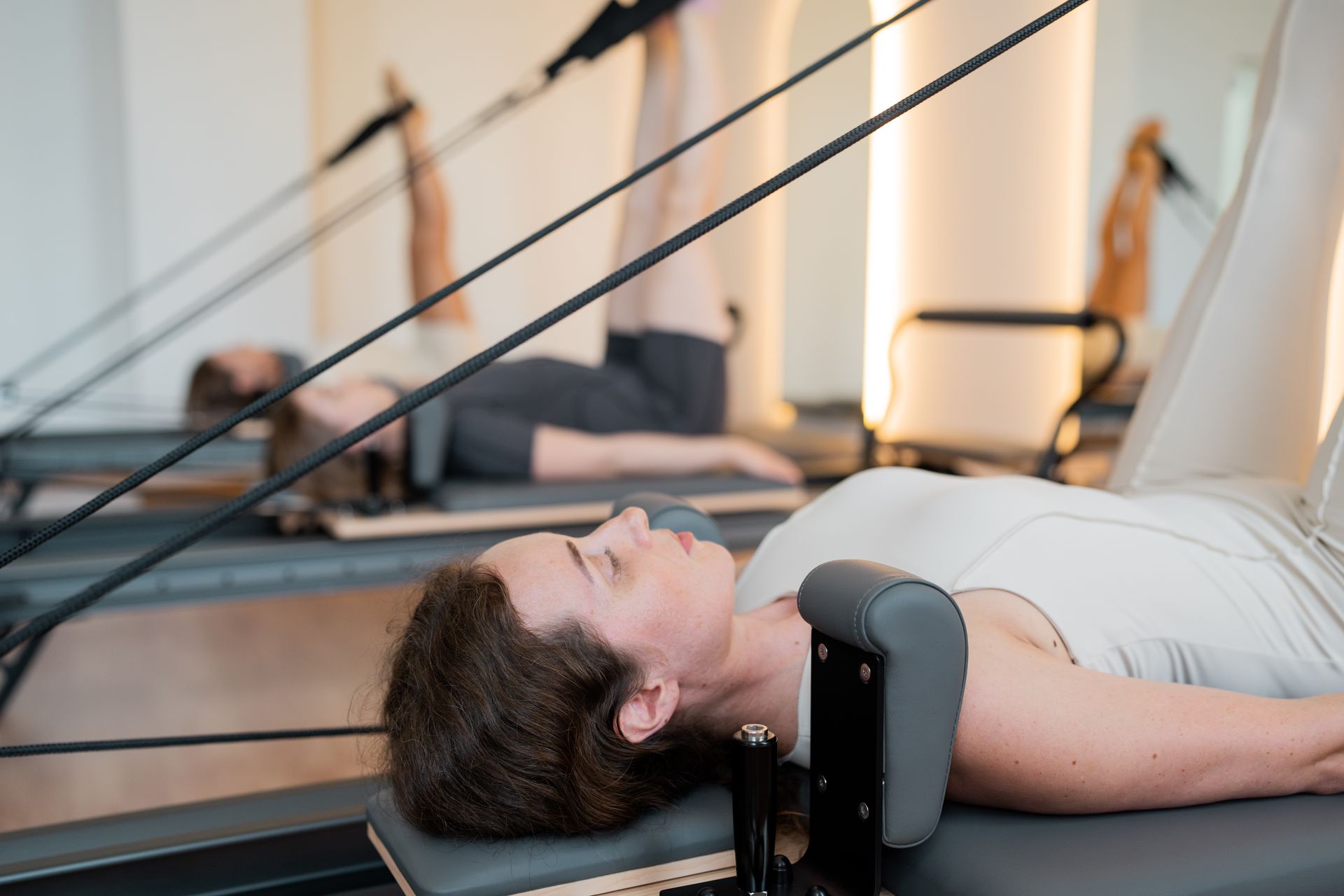
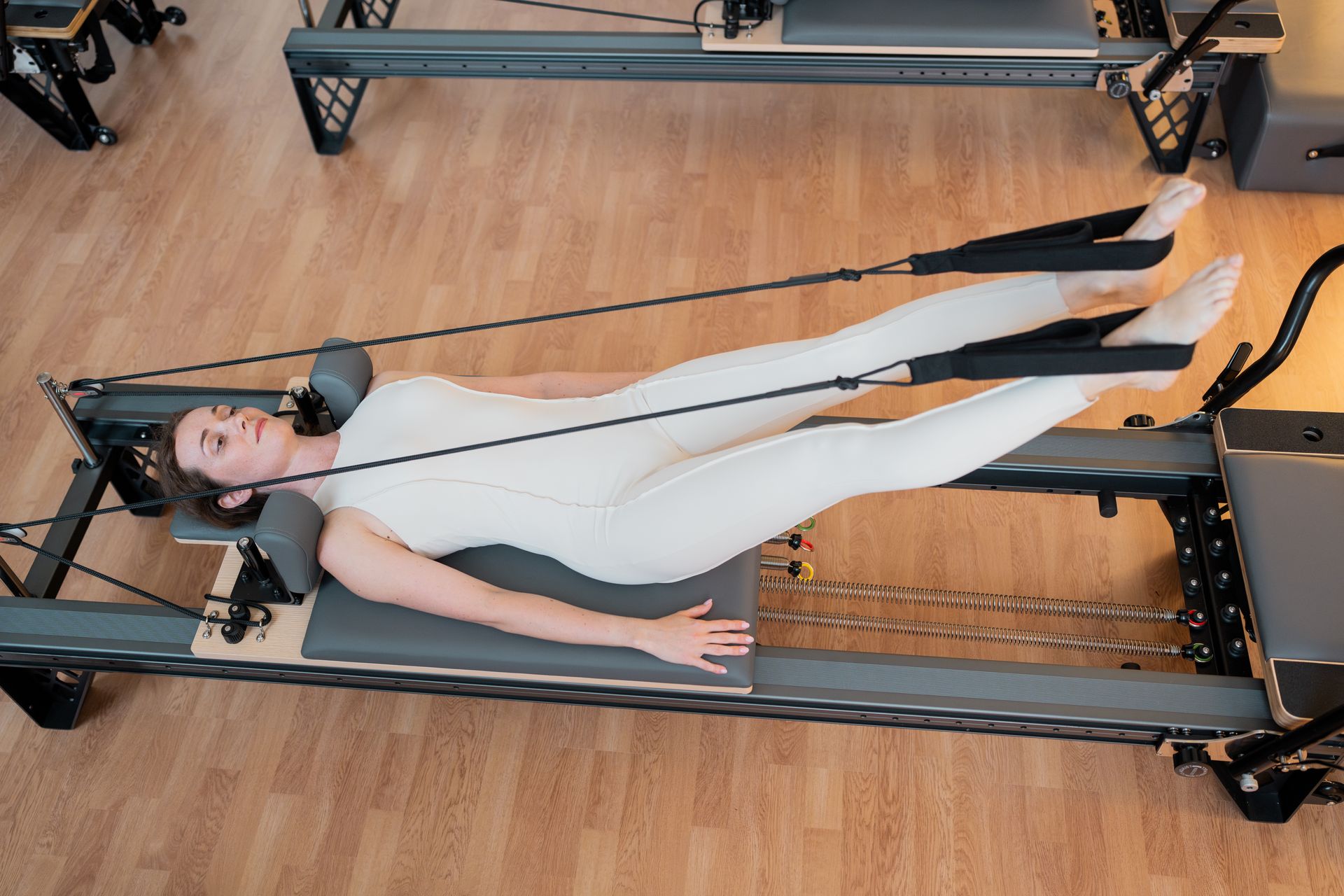
Resolving this mechanical failure requires a highly specific approach to movement. Clinical Pilates is uniquely designed to target the deep stabilizers that conventional gym exercises miss. Rather than focusing on heavy weights or high heart rates, the clinical approach emphasizes precise neuromuscular control.
During these sessions, we use specialized equipment and targeted cues to help you find and activate your deep core muscles. We teach your brain how to properly sequence muscle contractions so your pelvis remains stable while your arms and legs move. This therapeutic exercise builds a resilient foundation, allowing your overworked back muscles to finally relax and heal.
→ A quick tip to remember: True core strength is about controlling motion, not just producing it.
Moving Forward With Confidence
Living with a persistent ache in your back drains your energy and limits your freedom to enjoy life. Identifying and treating the pelvic instability behind your symptoms is the key to breaking the cycle of chronic pain. Contact our clinic today to schedule a functional movement assessment and start building a stronger, pain free foundation.
Share This Blog