5 Ways to Manage Plantar Fasciitis Before Trying Shockwave Therapy
Waking up to a sharp, stabbing sensation in your heel is a frustrating way to start the day. At Fox Sport and Spine, chronic plantar fasciitis is one of the most common complaints we treat among residents looking to stay active in Cochrane. Before the pain limits your walks around Mitford Park, there are several foundational steps you can take to manage the discomfort.
While conservative measures are an excellent starting point, some heel pain stubbornly resists basic care. When standard stretching and rest do not yield results, it is important to know that advanced options exist. Taking the right steps early on can set the stage for effective healing and help you determine when it might be time to introduce targeted treatments to speed up your recovery.
What We Cover:
- Tip 1: Modify Your Morning Routine
- Tip 2: Audit Your Footwear
- Tip 3: Prioritize Ankle Mobility
- Tip 4: Build Foot Intrinsic Strength
- Tip 5: Know When to Seek Advanced Care
- Frequently Asked Questions
- Taking the Next Step
Tip 1: Modify Your Morning Routine
The first few steps out of bed are notoriously the most painful for those dealing with inflamed foot tissue. During the night, your foot rests in a shortened position, and sudden weight bearing micro tears the tissue. You need to prepare the area before applying full body weight.
• Morning Movement: Spend two minutes doing gentle ankle circles before standing up.
• Towel Stretches: Lightly pull your toes toward your shin using a towel to warm up the tissue.
• Bedside Support: Keep supportive slippers right next to your bed to avoid bare feet on hard floors.
Tip 2: Audit Your Footwear
Walking barefoot around the house or wearing unsupportive shoes places constant tension on the arch of your foot. Proper support helps distribute your body weight evenly and reduces the mechanical load on the fascia.
• Indoor Support: Transition to wearing structured indoor footwear rather than walking in socks.
• Shoe Lifespan: Check the tread and midsole compression on your daily walking shoes.
• Activity Matching: Ensure you are wearing the right shoe profile for the specific activity you are doing.
Tip 3: Prioritize Ankle Mobility
A stiff ankle joint forces your foot to compensate during the push off phase of walking. This compensation places massive stress directly on the plantar fascia. Improving how your ankle moves is a critical component of treating chronic plantar fasciitis.
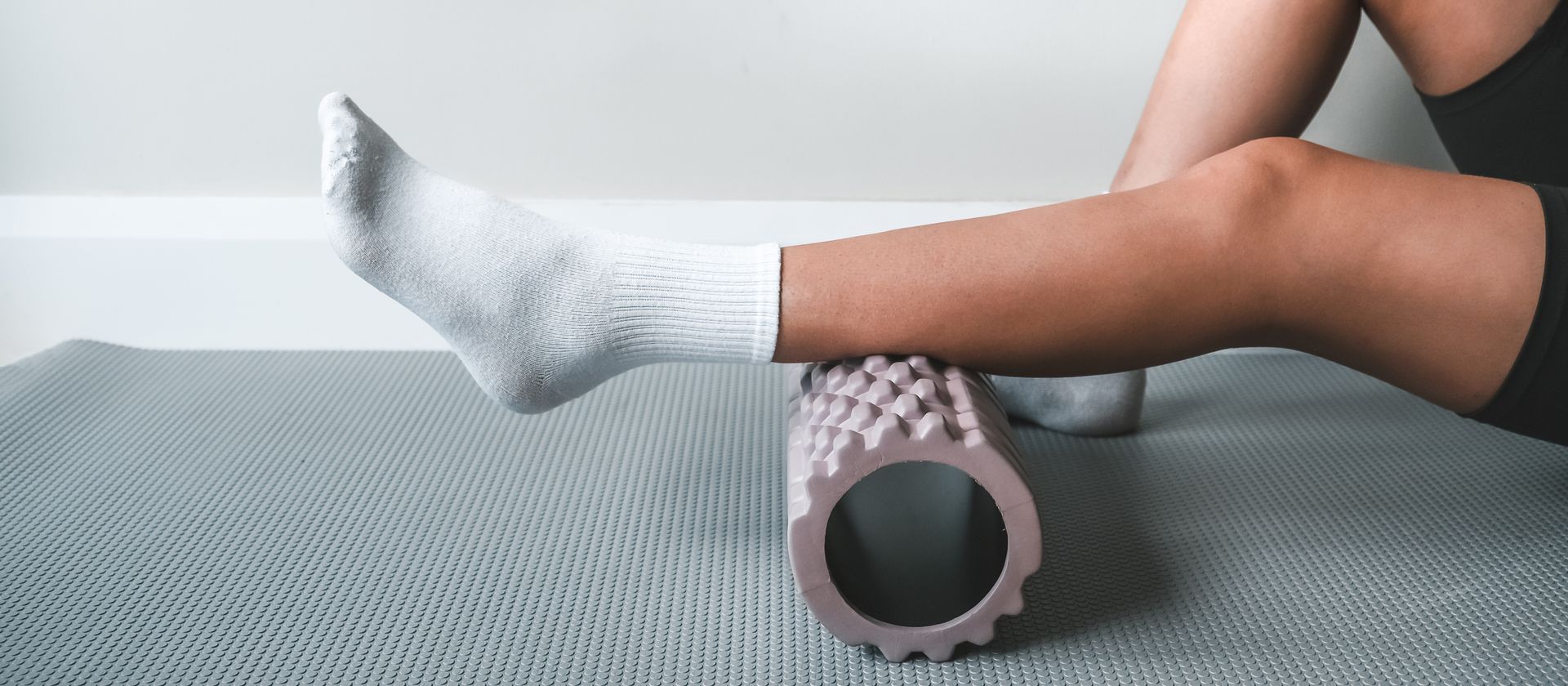
• Calf Releases: Use a massage ball or foam roller to address tightness in the thick muscles of the calf.
• Joint Glides: Work on pushing your knee over your toes while keeping your heel flat on the floor.
• Clinical Insight: Tension in the Achilles tendon pulls directly on the heel bone, which limits mobility and irritates the tissue under the foot.
Tip 4: Build Foot Intrinsic Strength
Passive rest rarely heals a tendon or fascial issue completely. The small muscles inside your foot need to be strong enough to support the arch under dynamic loads. Progressive strengthening is far more effective than just resting and hoping the pain fades.
• Towel Scrunches: Use your toes to pull a towel toward you across a smooth floor.
• Heel Raises: Perform slow, controlled heel raises with a rolled towel under your toes to engage the fascia safely.
• Clinical Insight: Tendon and fascial tissues respond best to heavy, slow resistance training which builds tissue capacity rather than just masking symptoms.
Tip 5: Know When to Seek Advanced Care
If you have diligently applied conservative strategies for several weeks without noticeable improvement, the tissue may need a different stimulus to heal. Chronic inflammation can cause the healing process to stall completely.
• Track Your Pain: Note if your morning pain is staying the same or increasing despite your home routine.
• Activity Limits: Recognize when heel pain is forcing you to cancel your normal physical activities.
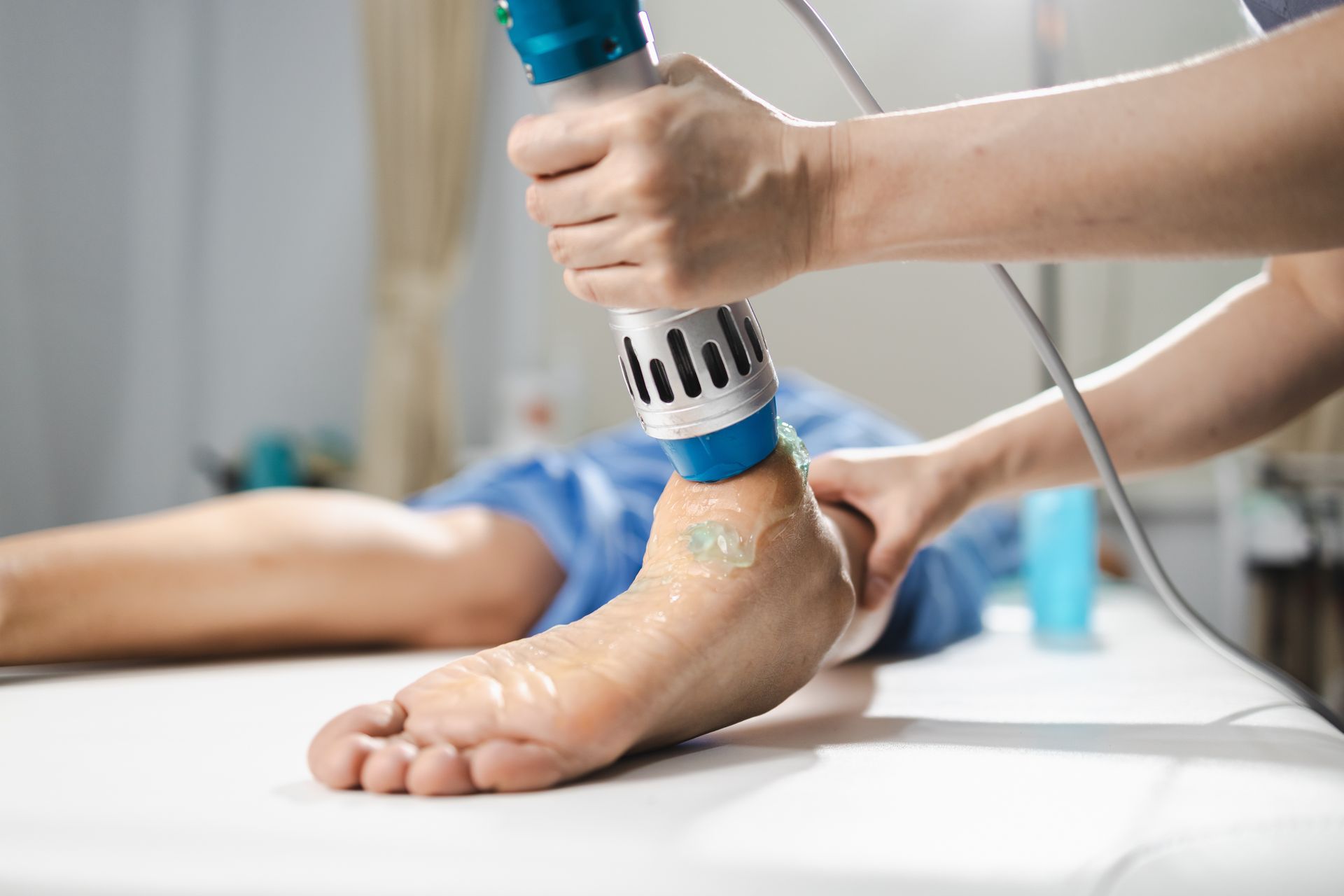
• Next Steps: This is exactly when advanced interventions like Shockwave Therapy become a highly effective option to restart the healing cascade.
Frequently Asked Questions
How does Shockwave Therapy heal plantar fasciitis?
The treatment uses acoustic energy to stimulate blood flow and metabolic activity in the stubbornly inflamed tissue. This process essentially breaks down old, irritated scar tissue and forces the body to build new, healthy collagen. It is a biological reboot for tissues that have stopped healing on their own.
Is Shockwave Therapy painful on the heel?
Patients usually feel a firm tapping sensation that can be mildly uncomfortable but is highly tolerable. We continuously adjust the intensity based on your feedback throughout the short session. The minor discomfort during the visit is a strong indicator that the acoustic energy is targeting the correct area.
How many sessions are needed for heel pain?
Most patients require three to six sessions spaced roughly a week apart. You will often notice a decrease in morning stiffness after the second or third visit. The tissue continues to remodel and strengthen for several weeks after your final appointment.
Taking the Next Step
Living with daily heel pain drains your energy and limits your freedom to move. Applying these management tips gives you a strong foundation, but you do not have to figure out the rest on your own. Contact our team to map out a clear recovery plan and see if you are a candidate for advanced treatment.
Share This Blog