4 Expert Physiotherapy Tips to Improve Hip Mobility for Runners
Transitioning your running routine to the indoor track or the treadmill requires healthy, adaptable joints. If tight hips are slowing down your pace and making your strides feel heavy, you are certainly not alone. At Fox Sport and Spine, we help local athletes unlock better movement mechanics to keep them running smoothly through the changing seasons.
Many runners mistakenly believe that running itself is enough to maintain lower body fitness. However, the repetitive, linear motion of running actually causes certain muscles to tighten and restrict the hip joint. Implementing consistent hip mobility work is essential for preventing injuries and optimizing your functional fitness.
Our Core Focus Areas:
- Tip 1: Target the Deep Joint Capsule
- Tip 2: Activate the Glutes Before You Run
- Tip 3: Prioritize Eccentric Control
- Tip 4: Rethink Your Rest Days
- Frequently Asked Questions
- Taking the Next Step
Tip 1: Target the Deep Joint Capsule
Most runners focus entirely on stretching the large muscles on the outside of their legs. While muscle flexibility matters, true mobility is often limited by the deep connective tissue surrounding the hip joint itself.
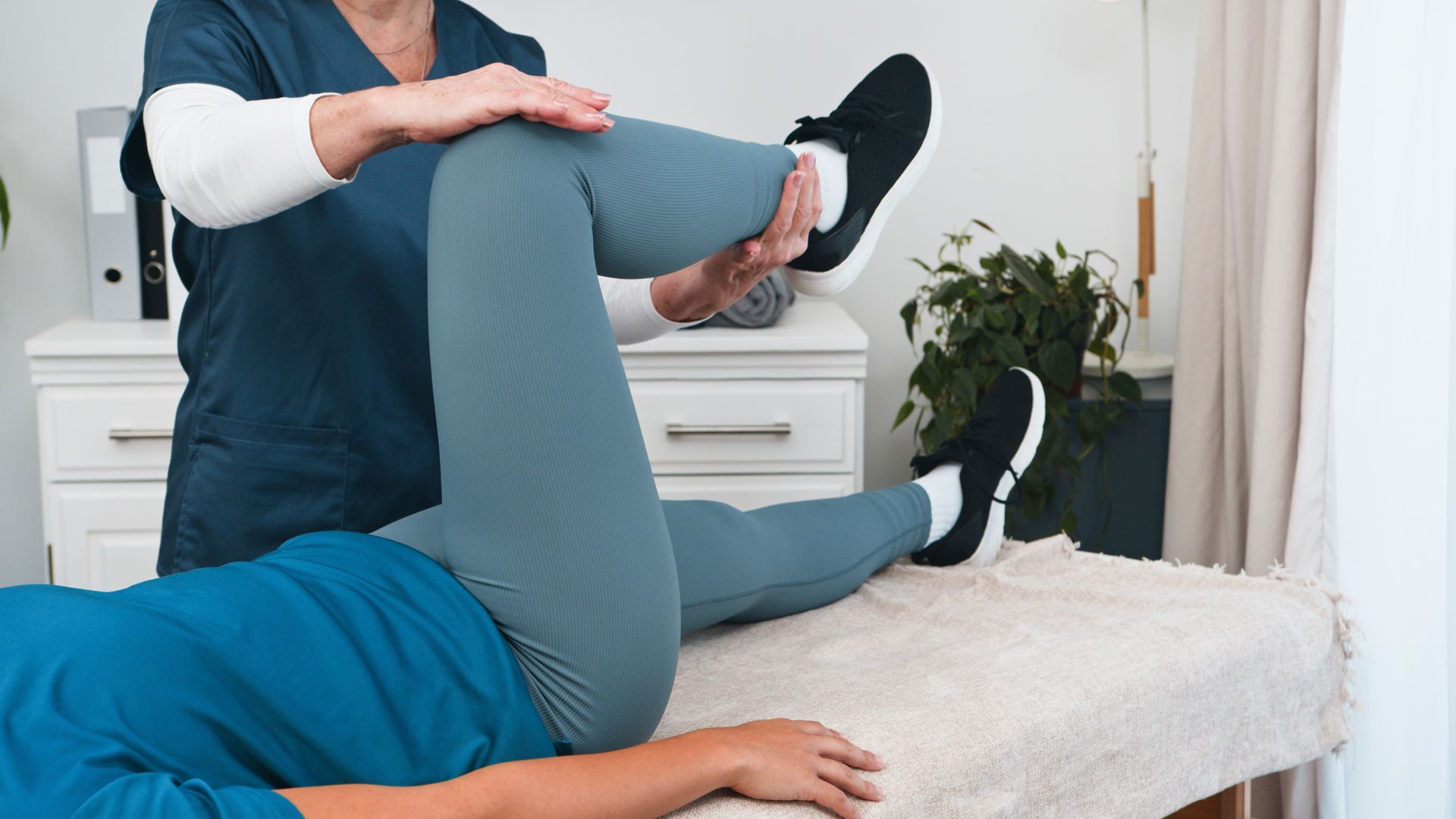
• Rotational Work: Spend time actively rotating your thigh bone internally and externally to free up the joint capsule.
• Controlled Articular Rotations: Move your hip through its absolute maximum range of motion slowly to stimulate synovial fluid production.
• Clinical Insight: If the joint capsule is stiff, the muscles surrounding it will never fully relax, regardless of how much you stretch them.
Tip 2: Activate the Glutes Before You Run
Tight hip flexors at the front of your pelvis usually indicate that the glute muscles at the back are sleeping on the job. When your glutes fail to fire properly, your hip flexors have to work overtime to control your leg swing.
• Bridge Variations: Perform single leg glute bridges to ensure both sides of your pelvis are firing equally.
• Banded Walks: Use a light resistance band around your knees and take lateral steps to wake up your stabilizing muscles.
• Clinical Insight: Waking up the posterior chain before a run naturally inhibits and relaxes the tight muscles on the front of your hips.
It is a pattern the team at Fox Sport and Spine hears regularly when addressing stubborn mobility issues.
► Client Experience: Kate is just amazing! So good at knowing just what to do to make me feel better!
Having a clinician identify exactly which muscles are failing to activate is a crucial step in resolving chronic tightness.
Tip 3: Prioritize Eccentric Control
Muscles often tighten up because they lack the strength to control the forces placed upon them. Eccentric training involves strengthening the muscle while it is actively lengthening, which builds massive resilience for runners.
• Slow Descents: Focus on the lowering phase of a squat or lunge, taking three to five seconds to reach the bottom.
• Heavy Loading: Do not be afraid to use weights during your mobility drills to signal to your nervous system that the new range of motion is safe.
• Clinical Insight: A muscle that is strong in its fully lengthened position is far less likely to strain or cramp during a long run.
Tip 4: Rethink Your Rest Days
Passive rest sitting on the couch does very little to improve the health of your joints. Active recovery is a vital component of any running program and is the perfect time to focus on functional fitness.
• Dynamic Flow: Spend twenty minutes doing gentle, continuous movements that explore different planes of motion.
• Avoid Prolonged Sitting: Sitting for hours immediately after a hard run allows inflamed tissues to stiffen and lock the hip joint down.
• Clinical Insight: Blood flow is the ultimate healer for connective tissue, and light movement pumps fresh oxygen directly into tired hips.
Frequently Asked Questions
Why are my hips so tight after running?
Running requires your hips to absorb forces up to three times your body weight with every single step. This repetitive impact causes micro trauma in the muscles, leading to localized inflammation. Your nervous system responds by tightening the surrounding muscles to act as a natural splint and protect the joint from further damage.
How often should runners do mobility work?
Mobility is not something you can fix in one long session on the weekend. The joint requires frequent, small doses of movement to adapt structurally. Dedicating ten minutes a day to specific, controlled mobility exercises will yield far better clinical results than forcing a painful stretch once a week.
Can physiotherapy fix tight hip flexors?
Absolutely. A skilled physiotherapist can identify whether your hip flexor tightness is caused by actual tissue shortening or a neurological guarding response to weakness elsewhere. We use targeted manual therapy to release the restriction and prescribe specific exercises to strengthen the opposing muscles, providing a permanent fix rather than a temporary stretch.
Taking the Next Step
Ignoring tight hips will eventually force your knees and lower back to compensate, leading to more complex injuries down the road. Taking a proactive approach to your joint health ensures you can keep logging miles without pain. Reach out to our clinic to schedule a functional movement assessment and get a customized mobility plan.
Share This Blog