The Honest Truth About Sports Injury Rehabilitation Timelines
Suffering a setback on the ice or the field is frustrating, but the uncertainty of the recovery process is often worse than the injury itself. At Fox Sport and Spine, we see many athletes from the Spray Lake Sawmills Family Sports Centre who want a fast track back to their sport. While we utilize advanced techniques to optimize healing, setting realistic expectations about sports injury rehabilitation is vital for long term success.
The internet is full of quick fixes and unrealistic promises regarding recovery timelines. The reality is that the human body heals on a biological schedule that cannot be bypassed by simply masking the pain. Understanding the true phases of recovery helps you commit to the process with confidence, ensuring you return to your sport stronger and less prone to future setbacks.
What You Will Learn:
- The Biology of Tissue Healing
- The Danger of Underestimating the Remodeling Phase
- How Active Loading Influences Your Timeline
- Frequently Asked Questions
- Taking the Right Steps
The Biology of Tissue Healing
When you sustain a sports injury, your body initiates a strict, non negotiable healing cascade. The first few days are dominated by inflammation as your system clears out damaged cells and protects the area. Once the swelling subsides, the proliferation phase begins, where the body lays down new, fragile collagen to bridge the gap in the tissue.
Many athletes assume that once the swelling is gone and the sharp pain fades, the injury is healed. In truth, the new tissue is disorganized and incredibly weak. It takes weeks for this new collagen to mature and align properly to handle the forces of running, jumping, or lifting.
→ A quick tip to remember: The absence of pain does not equal the presence of strength.
The Danger of Underestimating the Remodeling Phase
One of the most common mistakes athletes make is rushing back to full intensity play the moment they feel better. This is a severe underestimation of the tissue remodeling phase. During this phase, the newly formed tissue needs to be stressed gradually so it learns how to absorb mechanical loads safely.
Skipping this crucial step is the primary reason why so many athletes suffer chronic, recurring injuries. They return to the field with tissues that look healed on the outside but lack the structural integrity to handle sudden stops or heavy impacts. A proper rehabilitation plan respects this timeline and ensures the tissue is truly ready for the demands of your specific sport.
→ From a professional standpoint: Re-injuring a partially healed tendon often doubles your original recovery timeline because it resets the entire biological process.
How Active Loading Influences Your Timeline
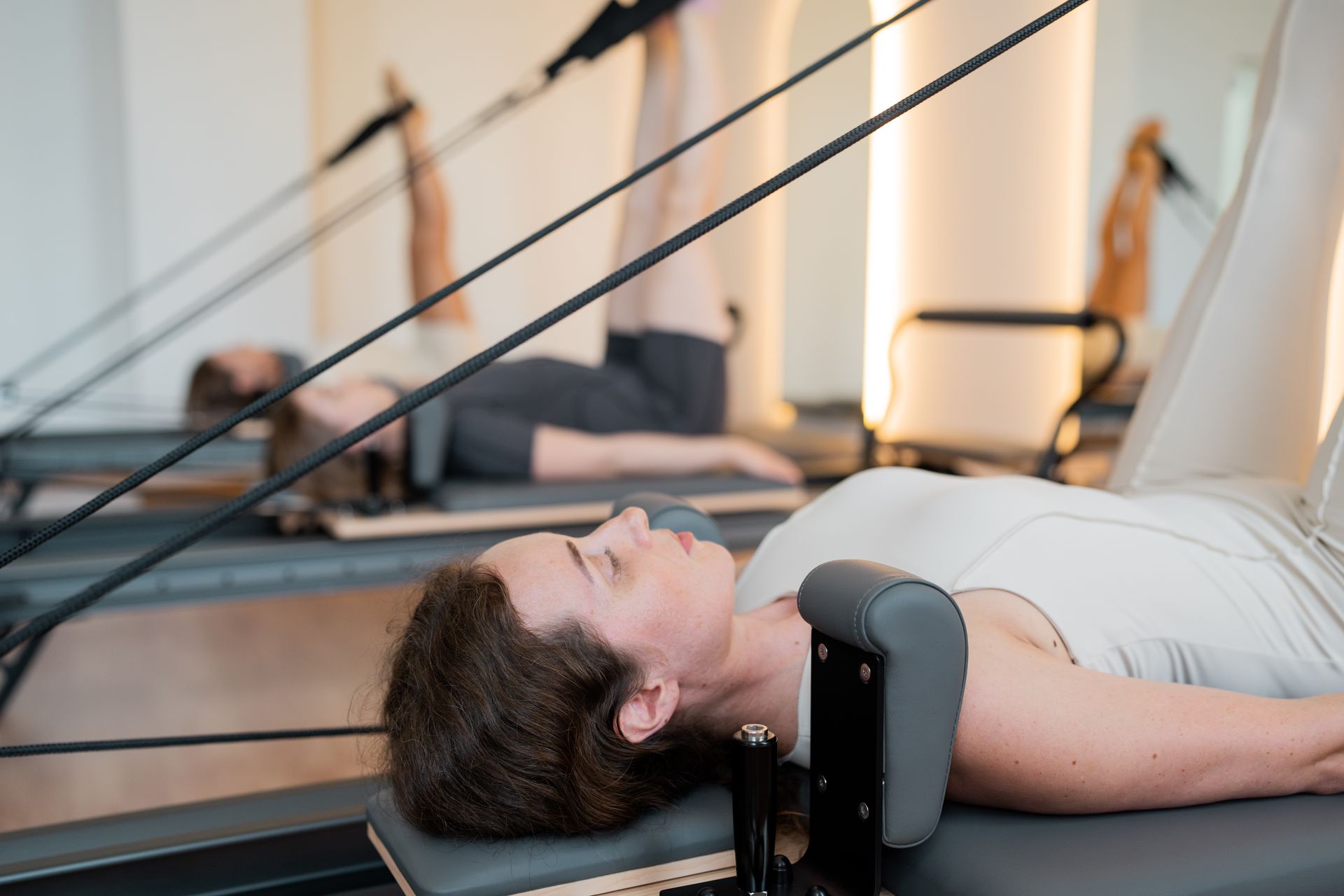
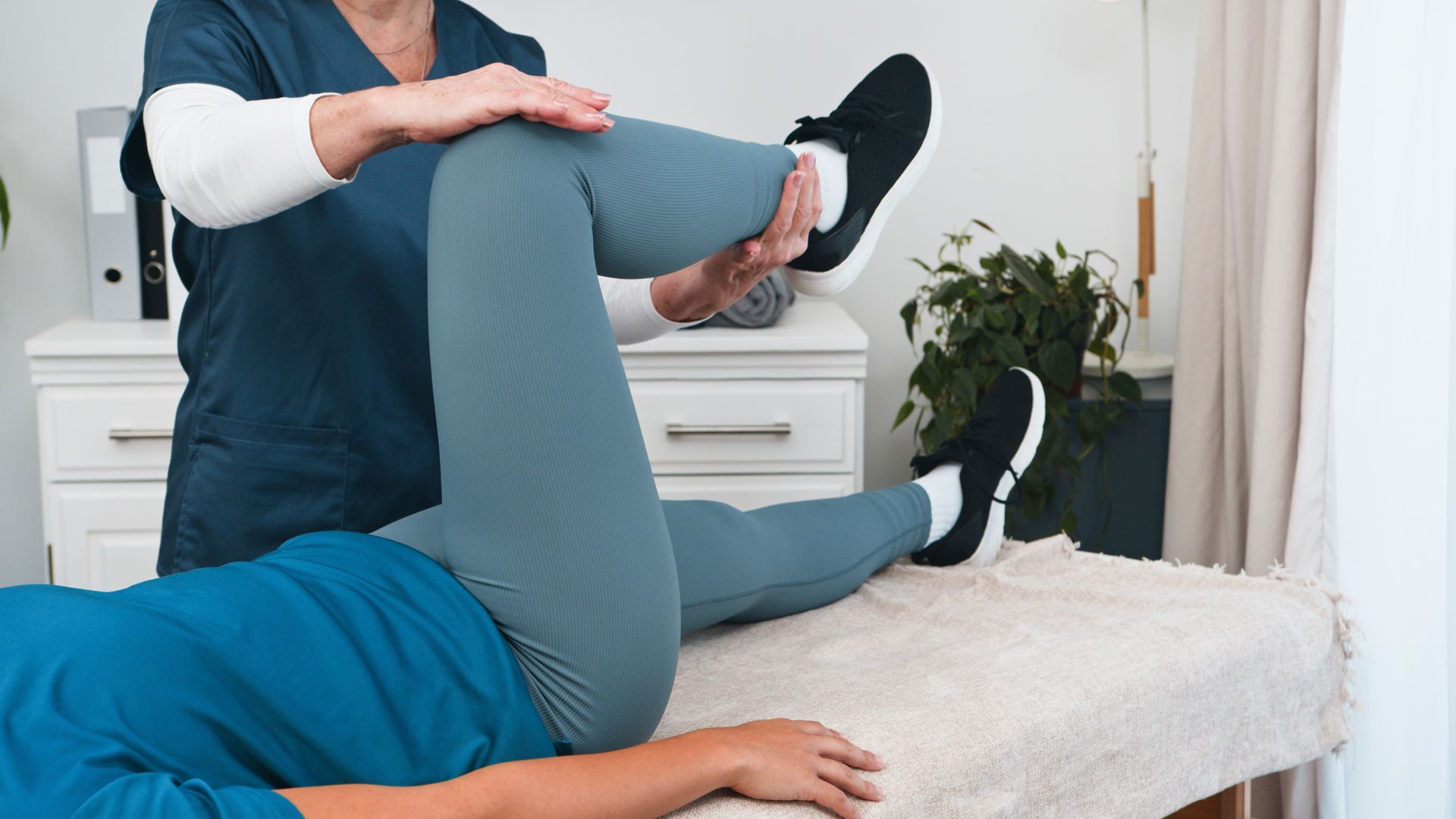
While you cannot skip the biological phases of healing, you can absolutely optimize them. Complete rest is rarely the answer for a sports injury. Tissues need mechanical signaling to know how to align and strengthen. We use highly specific active loading to guide the tissue through the healing process safely.
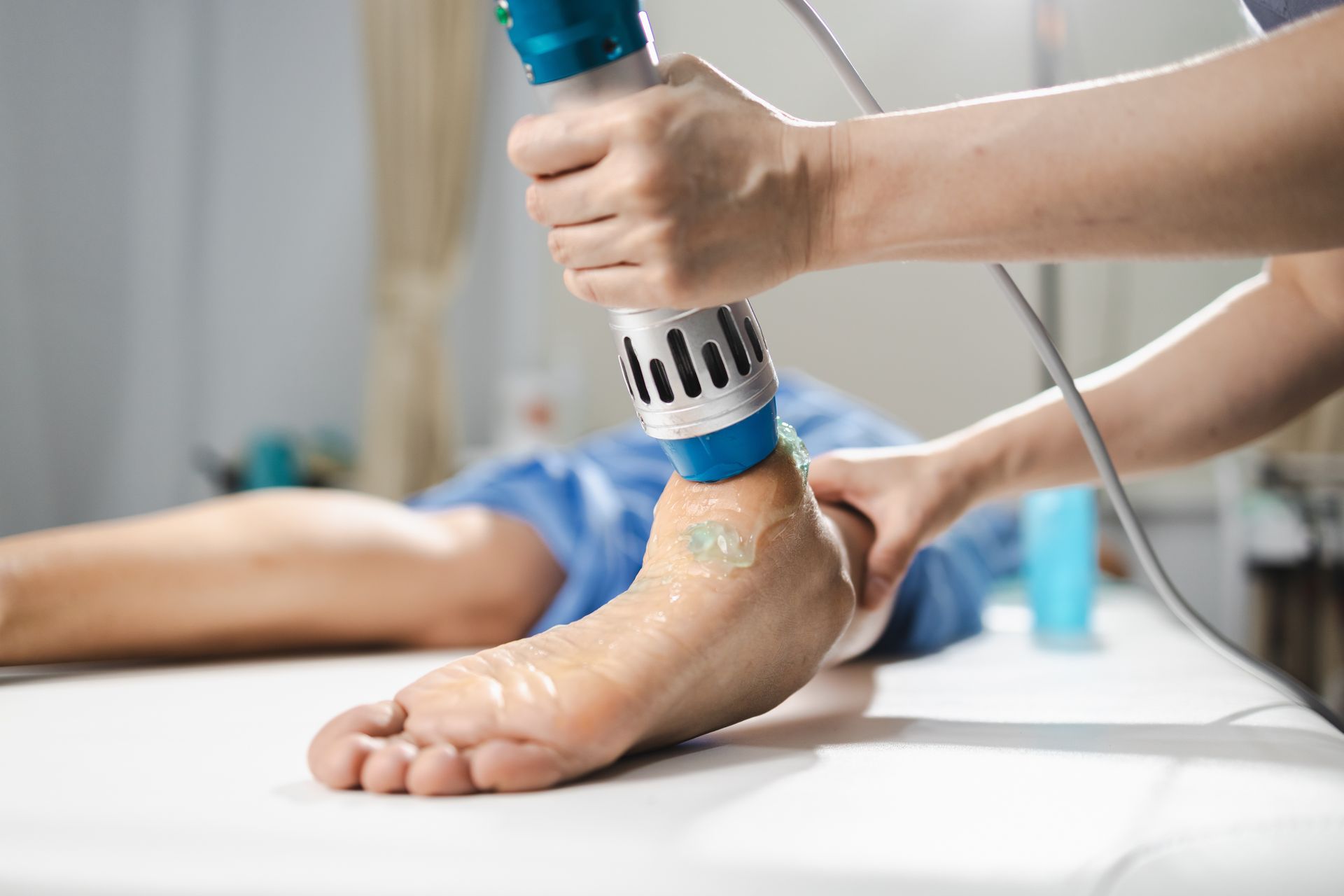
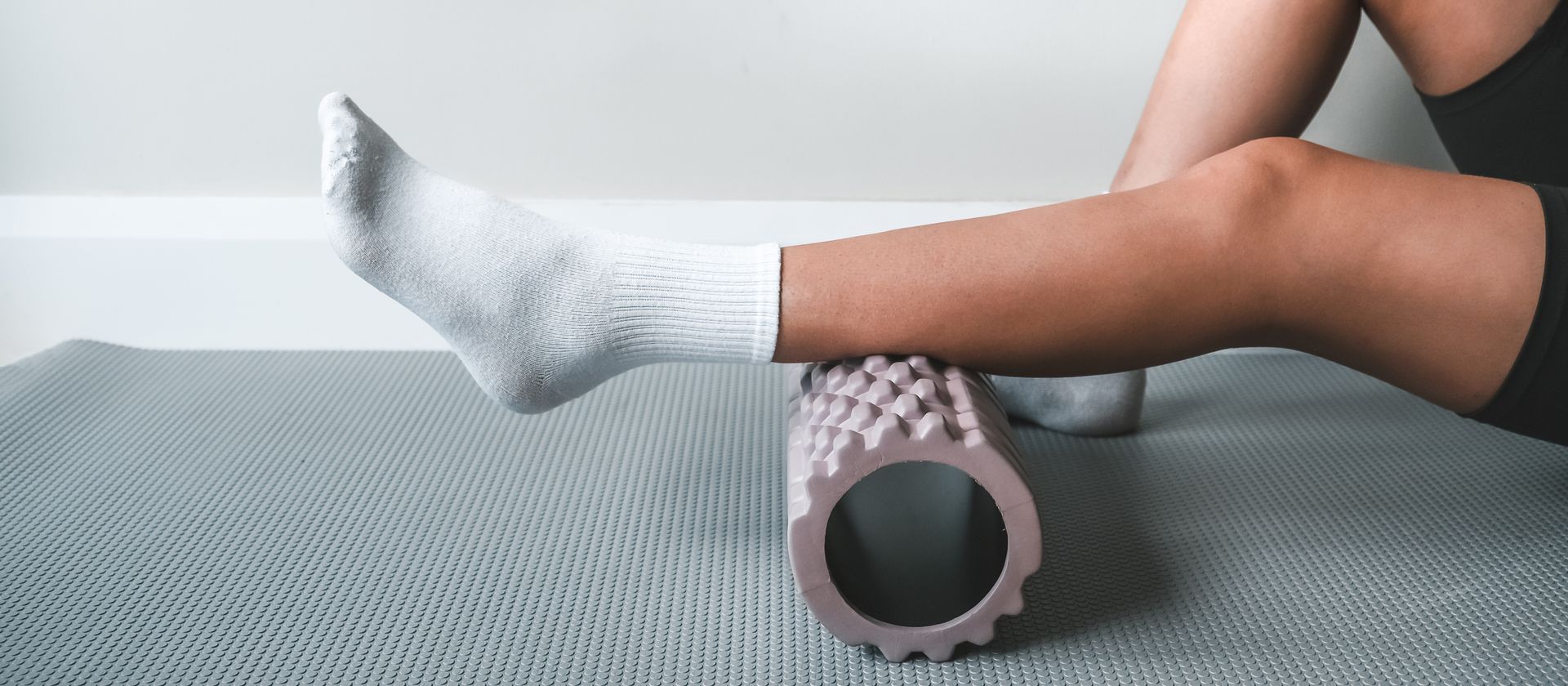
By introducing controlled physiotherapy exercises and incorporating tools like Shockwave Therapy when appropriate, we stimulate healthy cell regeneration and improve local blood flow. This active approach ensures that when the biological timeline is complete, your muscles and joints are fully prepared for the dynamic demands of competition.
Frequently Asked Questions
Why does tendon recovery take so long?
Tendons have a notoriously poor blood supply compared to muscles. Because blood carries the necessary oxygen and nutrients for repair, the metabolic rate of tendon healing is naturally slower. This is why a strained muscle might feel better in a couple of weeks, while a tendinopathy can take several months to fully resolve.
Can I speed up my sports injury rehab?
You cannot force biology to work faster than its natural limits, but you can prevent delays. Adhering to your prescribed exercise program, getting adequate sleep, and maintaining proper nutrition provides your body with the optimal environment for efficient healing. Avoiding premature heavy loading also prevents the setbacks that typically prolong recovery.
How do I know when I am ready to return to sport?
Return to sport is based on objective functional criteria, not just a timeline on a calendar. We assess your single leg stability, strength symmetry, and your ability to absorb force without pain or apprehension. You are ready when your injured side can safely handle the specific physical demands of your sport at full speed.
Taking the Right Steps
A successful return to the sports you love requires patience, clear communication, and a commitment to doing the work. Facing the reality of your timeline allows you to focus on building strength rather than chasing shortcuts. Contact our team to get an honest assessment of your injury and a clear, evidence based roadmap for your recovery.
Share This Blog