Clinical Pilates vs Standard Pilates: What to Know Before You Book
Choosing the right type of movement class can be confusing when you are actively managing an injury or trying to resolve chronic discomfort. At Fox Sport and Spine, we often meet patients who tried standard fitness classes in Cochrane only to find their pain worsened. Understanding the fundamental differences between standard studio classes and a clinical approach is crucial for protecting your body and achieving your goals.
While recreational fitness classes are excellent for general health, they are not designed to rehabilitate injuries or correct specific mechanical dysfunctions. When you are deciding where to invest your time and energy, knowing what happens during a session can help you make a confident, informed decision.
What We Cover:
- The Assessment Difference
- Addressing Specific Pain Pathways
- Can Clinical Pilates help with lower back pain?
- Red Flags to Watch For When Evaluating Providers
- Questions You Should Ask Before Booking a Session
- Making Your Choice
The Assessment Difference
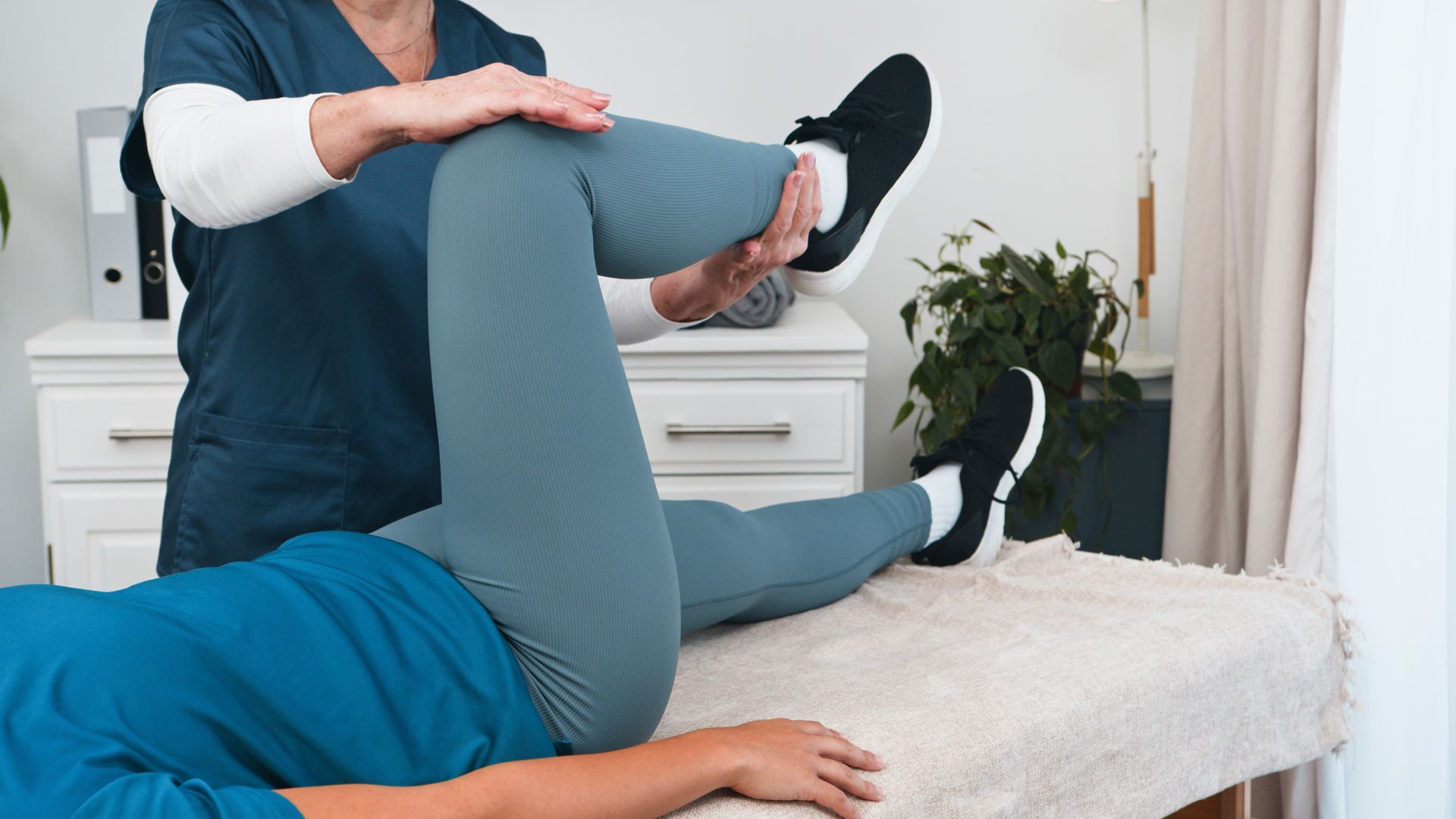
A standard fitness class usually begins with a brief warm up and assumes all participants share a similar baseline of health. In a clinical setting, your journey begins with a thorough functional evaluation before you even touch a piece of equipment.
• Baseline Testing: We evaluate your specific movement patterns, joint mobility, and neuromuscular control.
• Medical History: Your past injuries and current physical limitations dictate the design of your program.
• Tailored Progression: Exercises are selected specifically to correct your unique deficits rather than following a generalized sequence.
Addressing Specific Pain Pathways
Standard routines focus on general core strength and flexibility, aiming for a full body workout. A clinical approach uses therapeutic exercise as a precise tool to target the exact muscles contributing to your pain.
• Targeted Load: We isolate specific stabilizing muscles that are failing to support your joints.
• Pacing and Tolerance: Movements are kept strictly within your pain free range to avoid flaring up sensitive tissues.
• Goal Oriented: Every movement serves a specific rehabilitative purpose linked directly to your daily function.
Can Clinical Pilates help with lower back pain?
Yes, it is highly effective for lower back pain because it retrains the deep stabilizing muscles of the spine and pelvis that often shut down after an injury. Instead of just stretching tight back muscles, it rebuilds the internal support structure your spine needs to handle daily loads safely.
This is something clients notice firsthand.
► Client Experience: I recommend the clinical Pilates assessment with Natalie. I've been looking for someone to do a movement assessment to see which muscles are overcompensating or stuck in a dysfunctional movement pattern as I'm a very active person. It was so helpful to get a baseline and figure out my target areas to work on. Highly recommend for everyone!
Starting with a clear baseline makes all the difference in your recovery.
Red Flags to Watch For When Evaluating Providers
Not all movement programs are created equal, and some environments can actually put you at risk for re-injury. Knowing what to avoid is just as important as knowing what to look for when evaluating your options.
• No Initial Screen: A provider allowing you to jump into loaded movements without assessing your medical history or physical capacity is a major risk.
• Pushing Through Pain: Instructors who encourage you to ignore sharp pain or push through joint discomfort lack clinical understanding.
• One Size Fits All: If the routine cannot be heavily modified to accommodate your specific injury, it is a fitness class, not rehabilitation.
Questions You Should Ask Before Booking a Session
Taking a proactive approach to your healthcare means asking the right questions upfront. Ensure the provider you choose aligns with your specific recovery needs.
• Are you a regulated healthcare professional?
• How will you communicate my progress with my physiotherapist or medical doctor?
• Will my sessions be eligible for health spending account reimbursement or insurance coverage?
Making Your Choice
Your body requires a specific, carefully managed environment to heal properly and regain strength. Choosing a clinical environment ensures your movement practice actually supports your recovery rather than hindering it. Reach out to our clinic to schedule an assessment and build a program designed entirely around your body.
Share This Blog