How to Prevent Winter Sports Injuries: Advice from Physiotherapists
Snowflakes drifting over Cochrane’s landscapes signal the beginning of another exciting winter season. For many, this means gearing up for skiing at local hills, snowboarding adventures, winter hiking, or perhaps a casual hockey game on a frozen pond. Winter sports not only bring joy and fresh air but also pose unique injury risks. Physiotherapists at Fox Sport and Spine are passionate about helping you enjoy all your favorite cold-weather activities safely. With a little attention to preparation, technique, and self-care, you can keep injuries at bay and make the most of Alberta’s winter wonderland.
Why Are Winter Sports Injuries So Common?
Winters in Alberta are both inviting and challenging. The combination of slippery surfaces, unpredictable weather, bulky clothing, and the sheer intensity of many winter sports puts added strain on muscles and joints. Cold temperatures can make tissues less flexible and slow your reaction time, increasing the risk of falls or strains. Whether you are a seasoned skier, a weekend skater, or someone just trying a new activity, understanding common injuries and how to prevent them is essential.
Winter sports injuries often involve the knees, wrists, shoulders, and ankles. Some of the most frequent problems physiotherapists see during the winter include sprained ankles, ACL or MCL tears from skiing or snowboarding falls, wrist fractures from improper falls on ice, and overuse injuries like tendonitis. Minor muscle strains and back pain are also common, especially after sudden bursts of activity without proper warm-up.
Get Ready: Warm-Up and Dynamic Stretching
A thorough warm-up is one of the simplest and most effective ways to reduce injury risk. Physiotherapists recommend spending at least 5–10 minutes preparing your body before stepping onto the slopes, rink, or trail. Rather than static stretching, opt for dynamic movements that mimic your planned activity. Knee lifts, lunges, arm circles, and torso rotations get your blood flowing and activate the key muscles needed for balance, strength, and quick movement.
If you are heading out for skiing or snowboarding, add sideways jumps and gentle squats to your routine to activate hip, knee, and core muscles. For skating or hockey, include lateral lunges and arm swings. The goal is to gradually increase your heart rate and loosen up major muscle groups.
Dress Smart and Gear Up Safely
Alberta’s chilly weather demands warm and functional clothing. Layer up with breathable, moisture-wicking fabrics to keep your muscles warm and prevent chills. Good-quality socks and gloves are particularly useful for maintaining circulation in extremities. Check your gear before heading out: ensure bindings, laces, or straps are secure and replace any worn-out equipment. Properly fitted helmets, wrist guards, and knee pads can make a dramatic difference if you fall.
Your footwear matters too. Boots and skates should fit well to support your ankle and help you maintain balance on slippery surfaces. After a snowfall, be extra cautious on local walkways and parking lots. Even walking from your car to the sport venue is a common time for slips and falls, so take your time and tread carefully.
Build Strength and Stability in the Off-Season
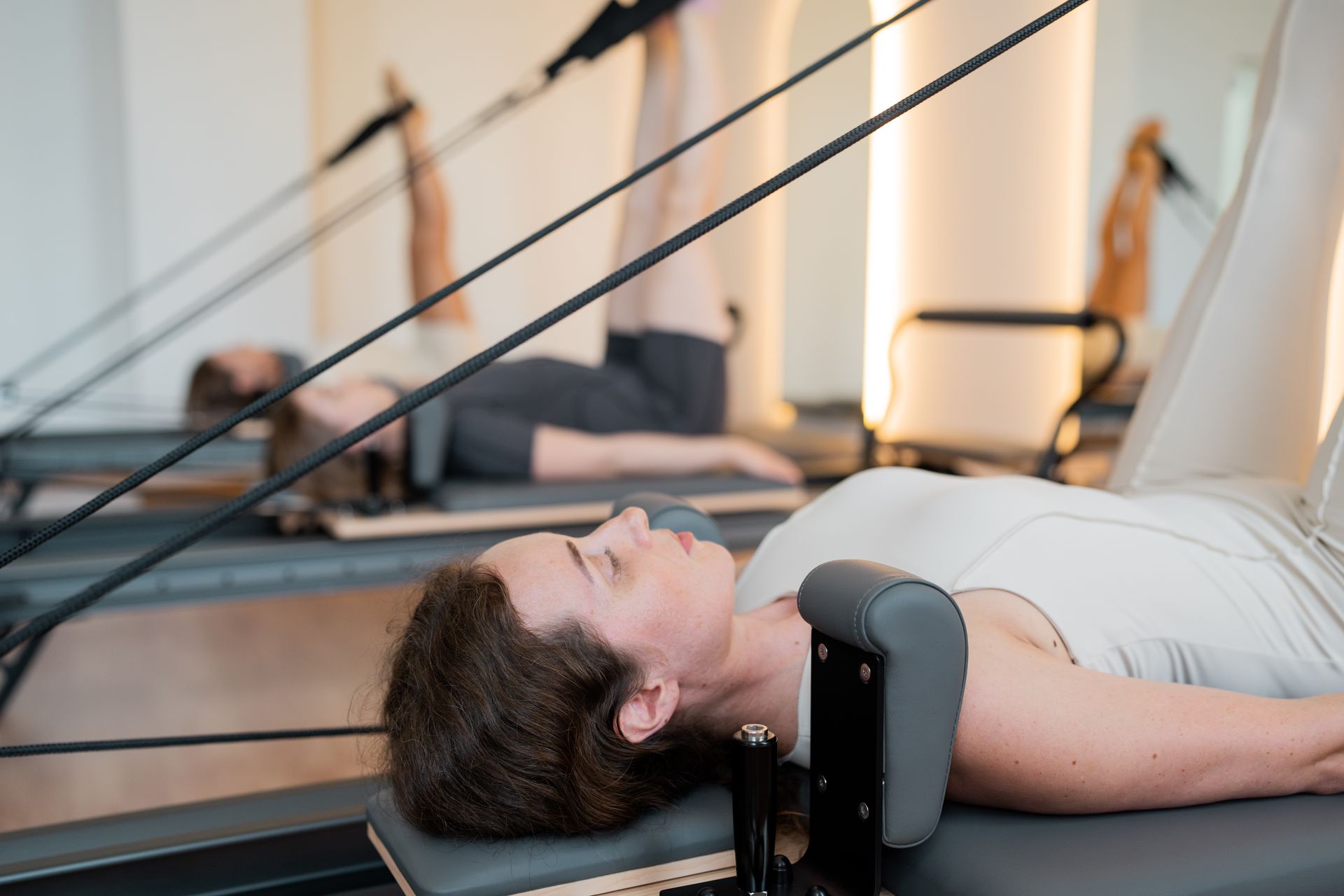
Some of the best prevention for winter sports injuries happens before snow even falls. Regular strength, balance, and flexibility training are core components of any injury-prevention program. Focus on exercises that target the major muscle groups used in your favorite winter sport. Core work, hip strengthening, and single-leg balance drills all pay off in the winter months. Pilates, functional strength classes, or one-on-one physiotherapy sessions can help you identify your own movement weak spots and address them with personalized exercises.
Balance training, such as working with a wobble board or using simple one-leg stands, enhances joint stability and reduces the risk of sprains during sudden direction changes or minor slips. Those prone to previous injuries should also include proprioceptive training—exercises focused on joint position sense—which helps your muscles respond faster on unstable or icy surfaces.
Know When to Rest and Recover
Winter sports can be addictive, especially on that perfect blue-sky day. However, fatigue significantly raises injury risk. Listen to your body and take breaks throughout your activity. Signs like muscle soreness that does not resolve in a day or two, joint swelling, or lingering pain mean it’s time to pause and seek professional advice. Cooling down and gentle stretching after activity reduce muscle tension and speed your recovery, keeping you ready for your next adventure.
Thoughtful rest does not just mean days off; it includes active recovery such as gentle walks, massage therapy, or low-impact cross-training. Physiotherapists can also guide you through effective recovery routines to address muscle imbalances and prevent minor aches from snowballing into bigger problems.
Invest in Professional Assessment and Injury Prevention
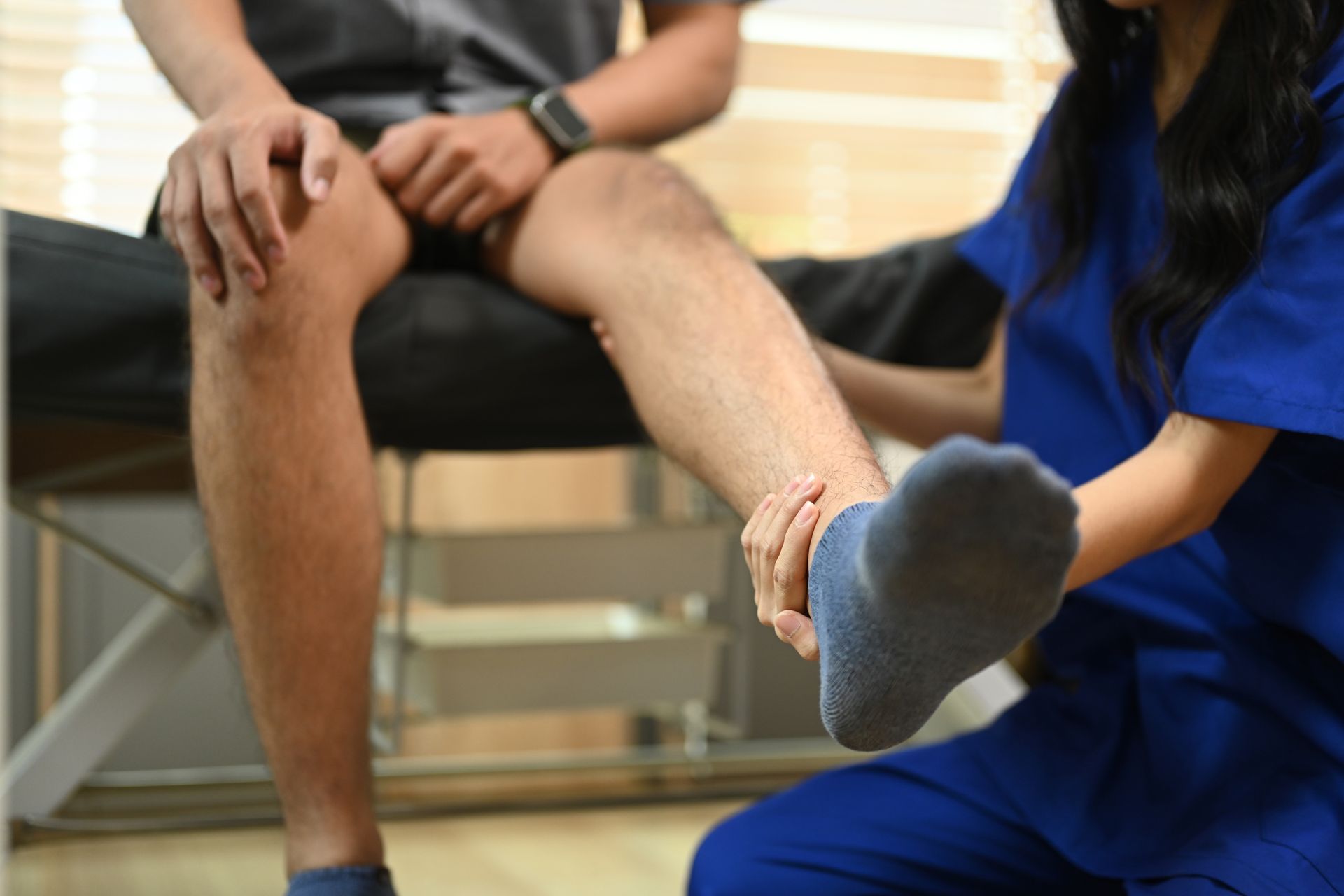
If you have a history of previous injuries, persistent pain, or are unsure if your technique is optimal, consider working with a physiotherapist at Fox Sport and Spine. An individualized assessment can uncover biomechanical issues, strength deficits, or flexibility concerns before they lead to injury. You will learn safe movement patterns and receive a tailored exercise plan that supports your current activity level and goals.
Whether you are a seasoned winter athlete or just looking to keep up with your kids on the sledding hill, prevention is always better than cure. If aches, pains, or questions arise during the winter season, contact Fox Sport and Spine in Cochrane. Our multidisciplinary team can guide you back to safe movement and back on the ice, snow, or trail with confidence. Book an assessment or winter readiness session today, and step into your favorite winter sports with peace of mind and a stronger, more resilient body.
Share This Blog